How to Organize a Local Event with Ease
Organizing a local event can be a rewarding experience, bringing together community members and fostering connections. By following a structured approach, you can streamline the planning process, ensuring that your event is both enjoyable and successful.
Understanding the Basics of Event Planning
Planning a local event typically involves several key steps: defining your purpose, identifying your audience, and setting a date and location. According to event management experts, having a clear purpose helps in making decisions throughout the planning process. Many users report that taking the time to clearly define the event's goals can result in a more cohesive experience for attendees.

"A well-defined purpose not only guides your planning but also attracts participants who share your vision." - Event Planning Expert
Step-by-Step Guide to Organizing an Event
- Set Clear Goals: Determine what you hope to achieve. This could be community engagement, fundraising, or simply providing a fun experience.
- Choose the Right Venue: The choice of location can significantly impact attendance and atmosphere. Look for spaces that are accessible and fit your budget.
- Promote Your Event: Utilize social media, local community boards, and word-of-mouth. Research indicates that a multi-channel approach can increase visibility and attendance.
- Coordinate Logistics: This involves everything from arranging seating and sound equipment to planning the event day schedule. Industry experts suggest creating a checklist to ensure no details are overlooked.
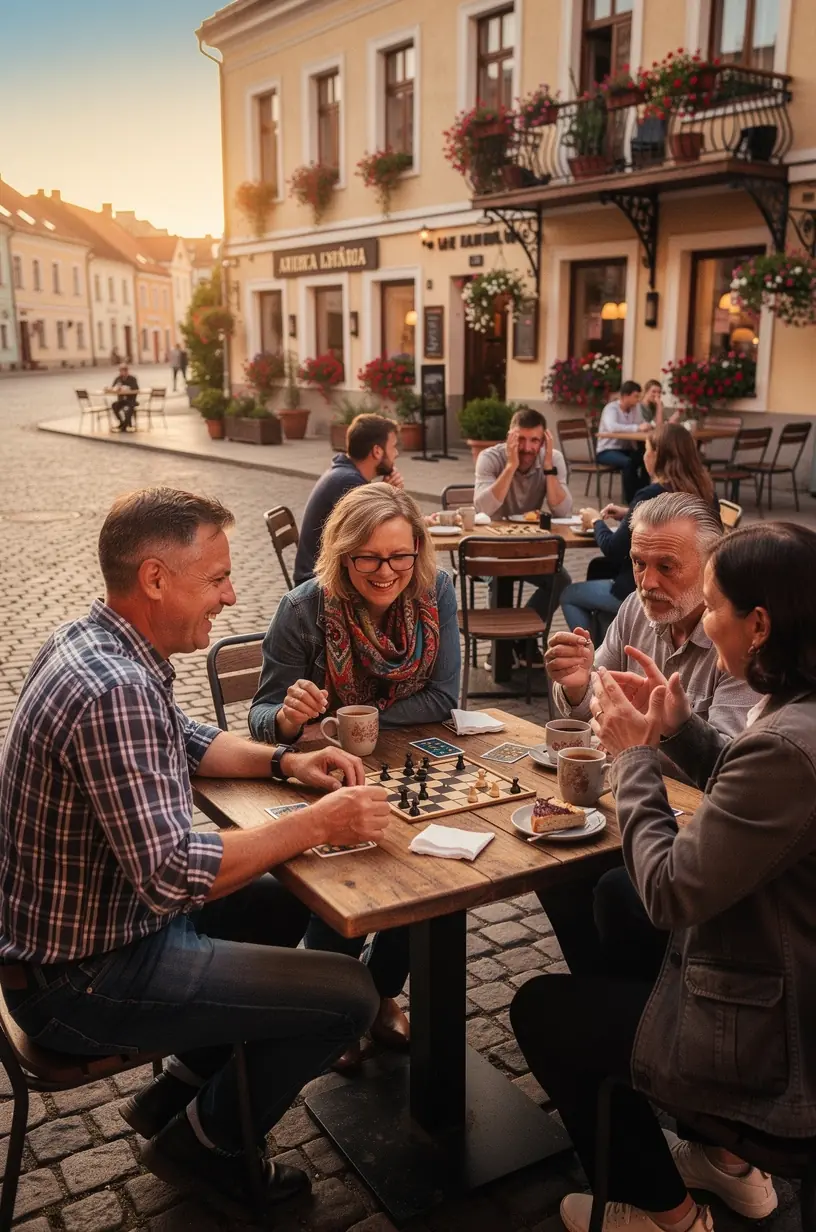
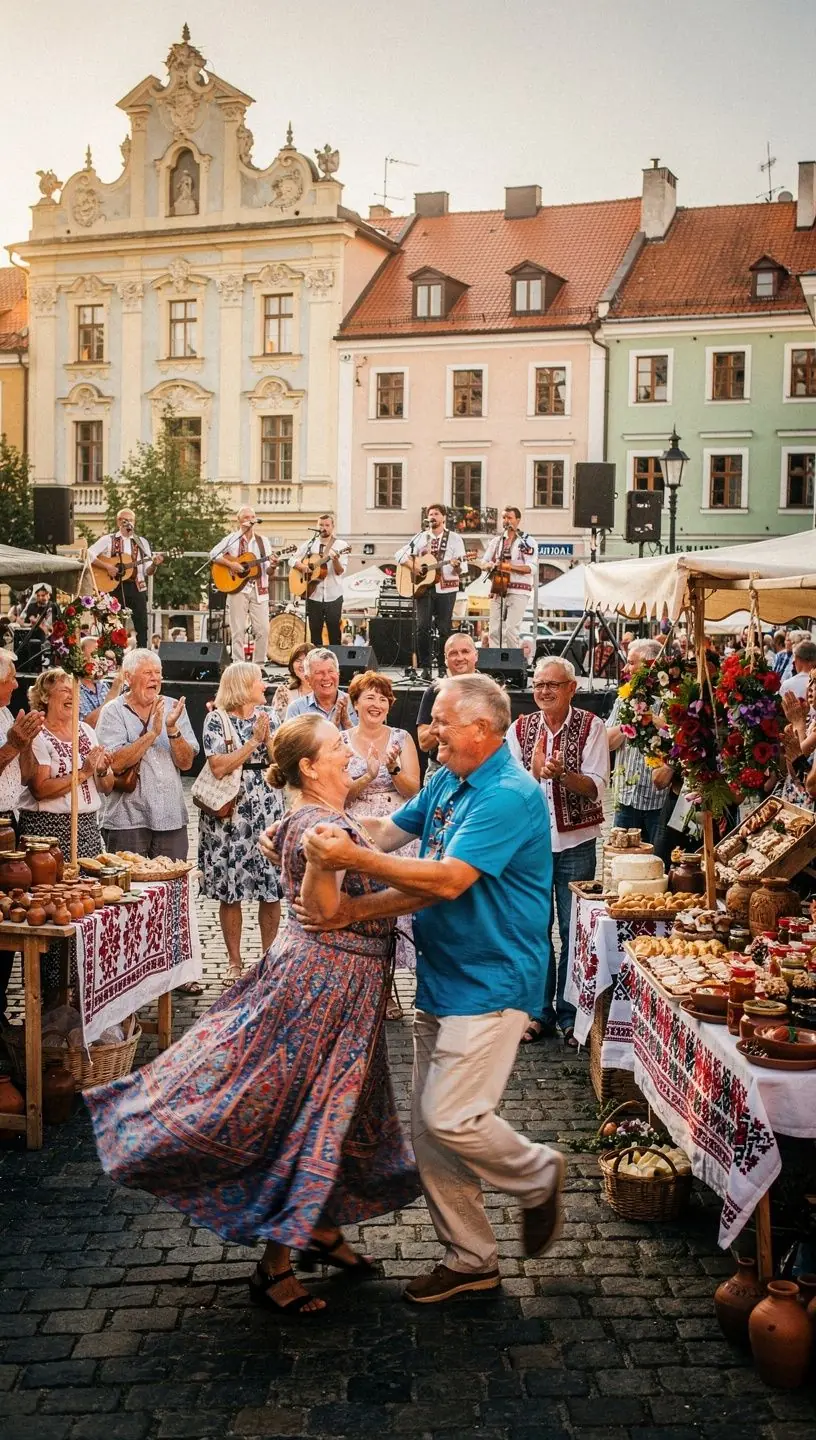
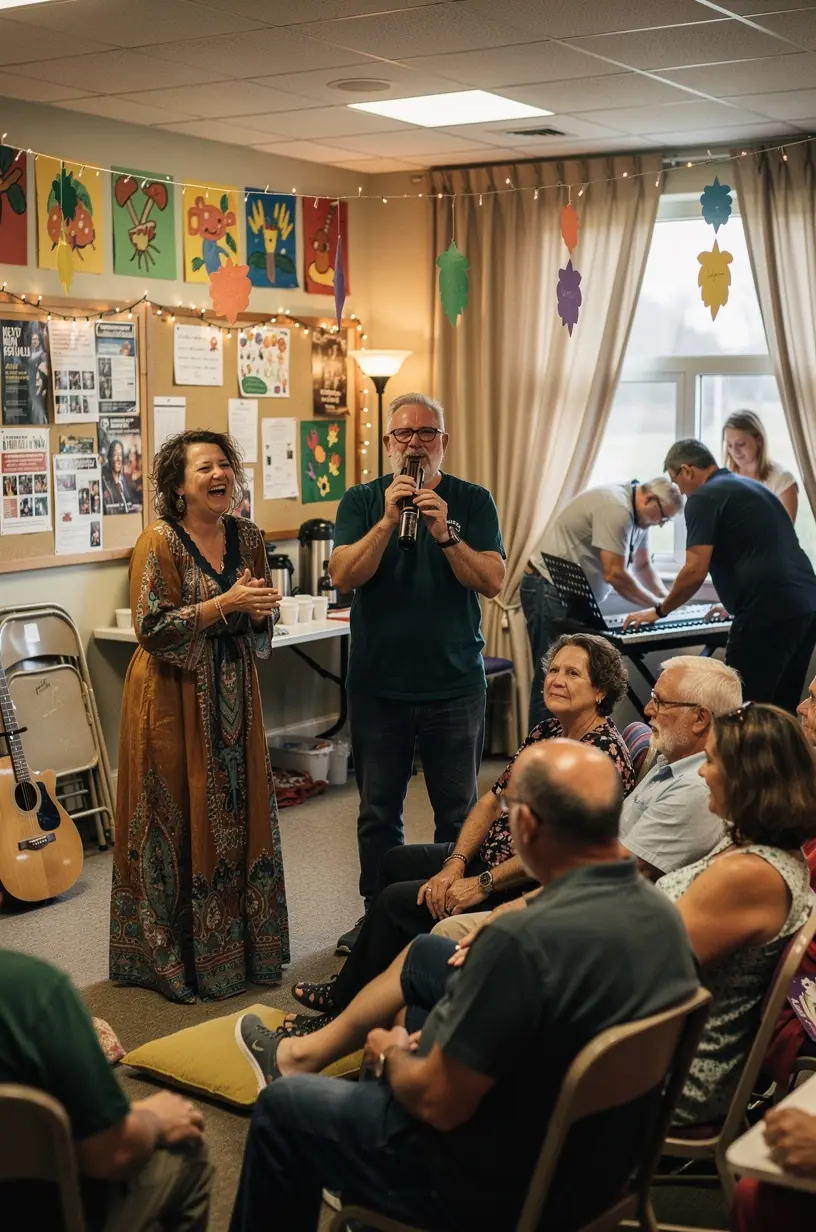
- Engage Your Audience: Plan activities that encourage interaction. This could include games, discussions, or live performances, as studies show that interactive events foster a sense of community.
Expected Time Commitments and Efforts
Organizing a local event typically takes 2-4 weeks, depending on the complexity and scale. This timeframe includes securing a venue, promoting the event, and coordinating logistics. It's important to note that managing an event requires dedication and often involves a learning curve, especially if you're new to planning.
Acknowledging Limitations
Not every event will resonate with every community member. Some events may not attract the expected number of participants, particularly if they do not align with community interests. In most cases, tailoring the event to suit local preferences can enhance engagement and satisfaction.
Conclusion: Bringing It All Together
Organizing a local event can be a fulfilling endeavor when approached methodically. By setting realistic goals, understanding your audience, and being mindful of logistics, you can create an experience that fosters community connection. Remember, the journey of planning can be just as valuable as the event itself, offering opportunities for learning and growth.